- Journal
- Craft
Can an AI-built 3D room feel authentic enough to help a guest explore a resort?
I got a recognizable 3D version of my office surprisingly quickly, but even after about two hours of refinement, some parts still only looked okay. I had a lot of fun getting there, though, and the experiment gave me some ideas about where this technology could be useful. Whether I’d use it to show someone the resort room they’re about to book is still an open question.
At LBM, we’re figuring out what works best for letting people explore resort rooms and public spaces before they arrive. We want people to get a good feel for a place, with enough interactivity to explore what interests them. It also needs to look good and run well without becoming a chore to use. I saw Wes Bos’s video and wanted to find out how close his approach could get. My office seemed like a useful test because I know all the nitty-gritty details.
A phone scan and a little magic
I started by downloading the 3D Model Anything project, which Wes was kind enough to release under an MIT license. Once running on my phone, it used LiDAR to take room measurements, build a mesh, and couple all that with a billion-ish photographs. The app bundles that information into a ZIP you can hand off to Claude, or another coding agent, to build a 3D representation of the space. I spent about 10 minutes scanning my office, getting into all the little nooks and crannies, and reached roughly 85% coverage.
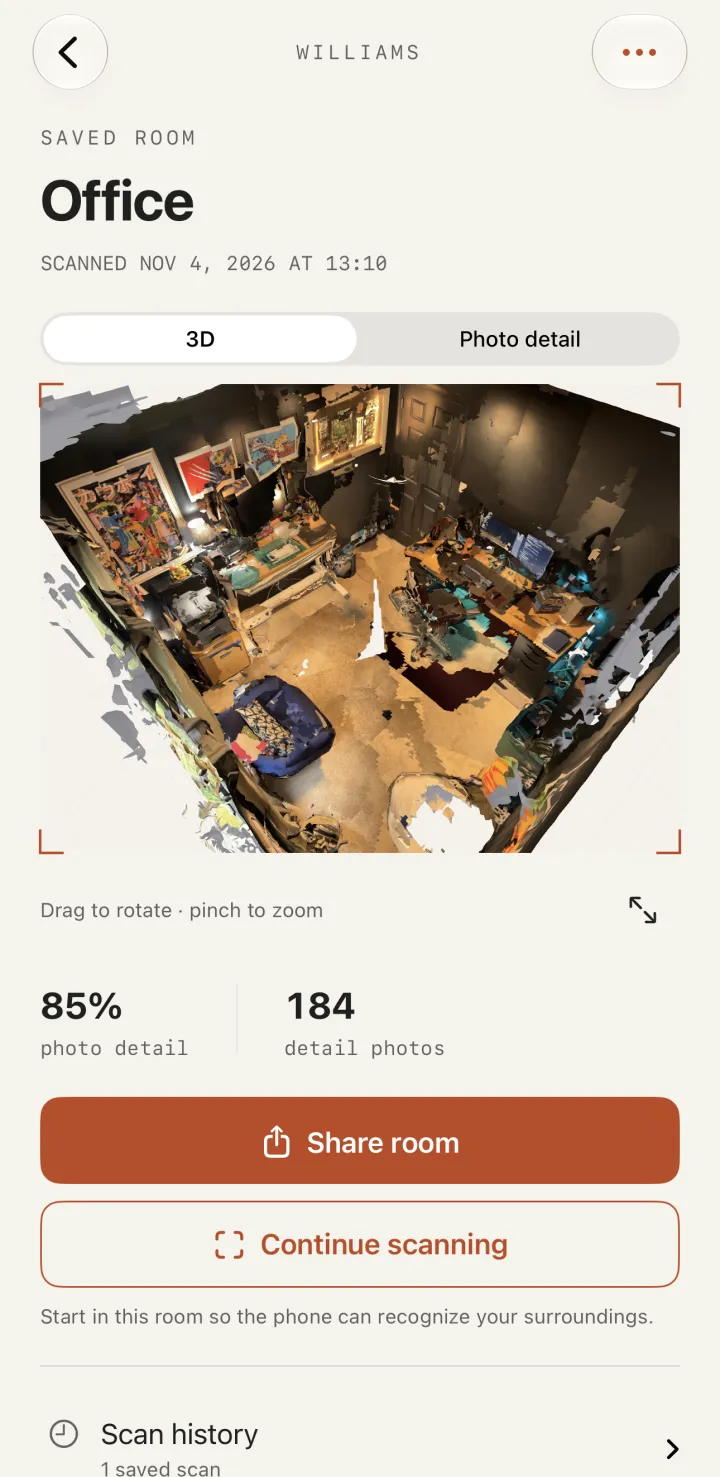
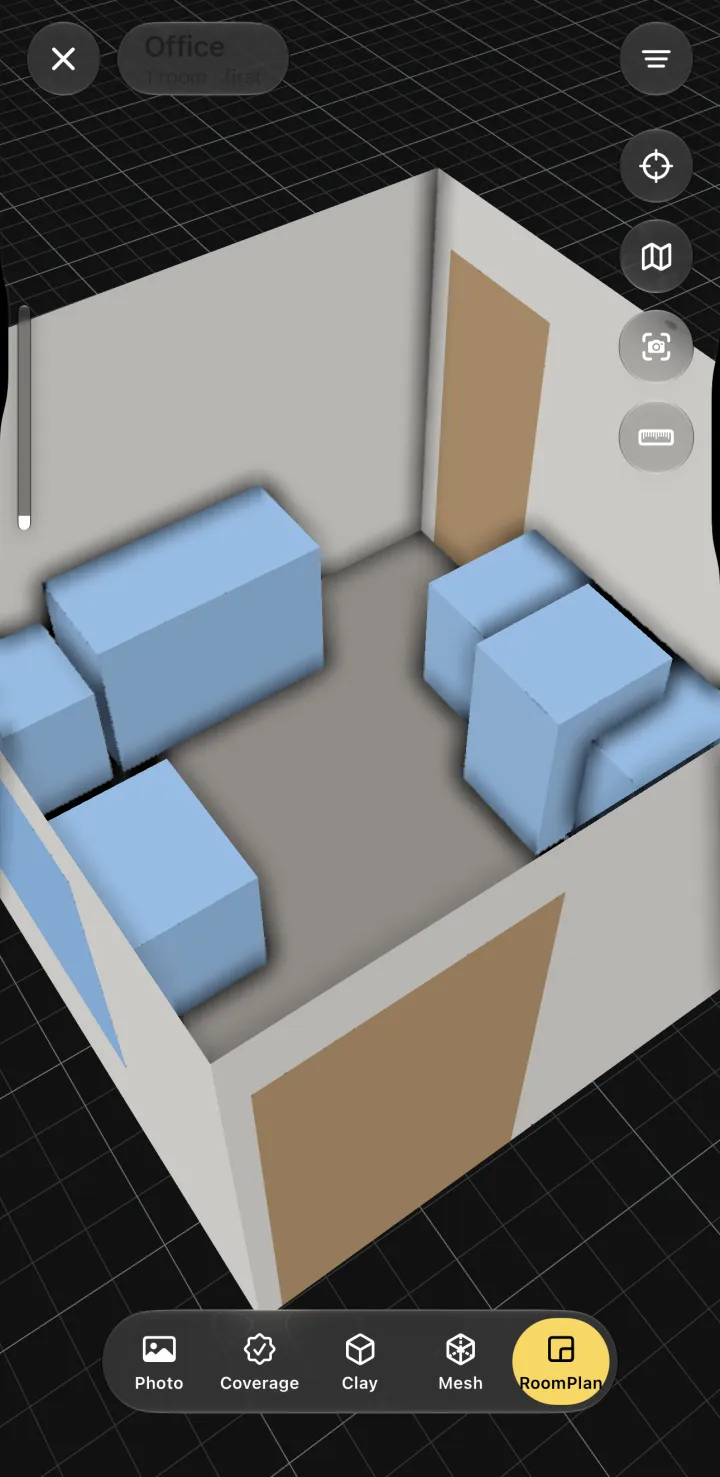
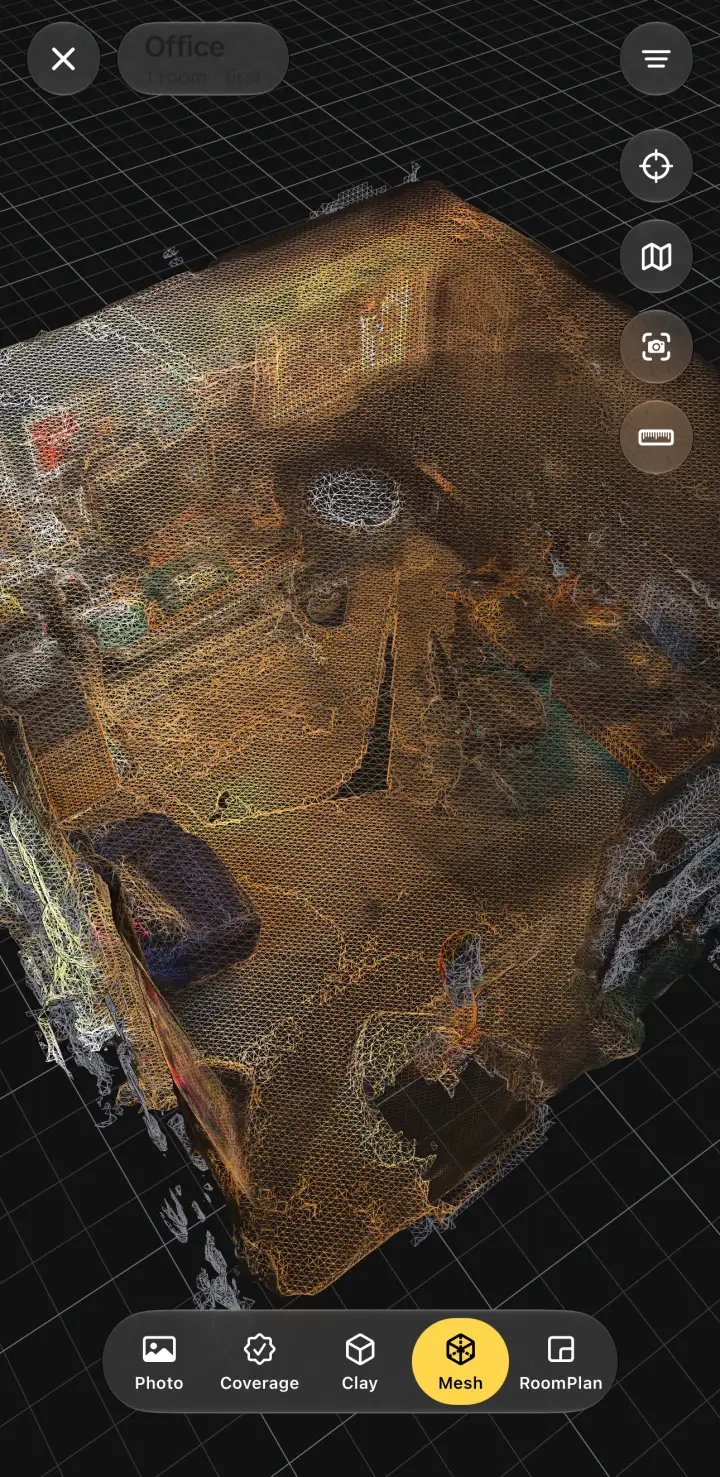
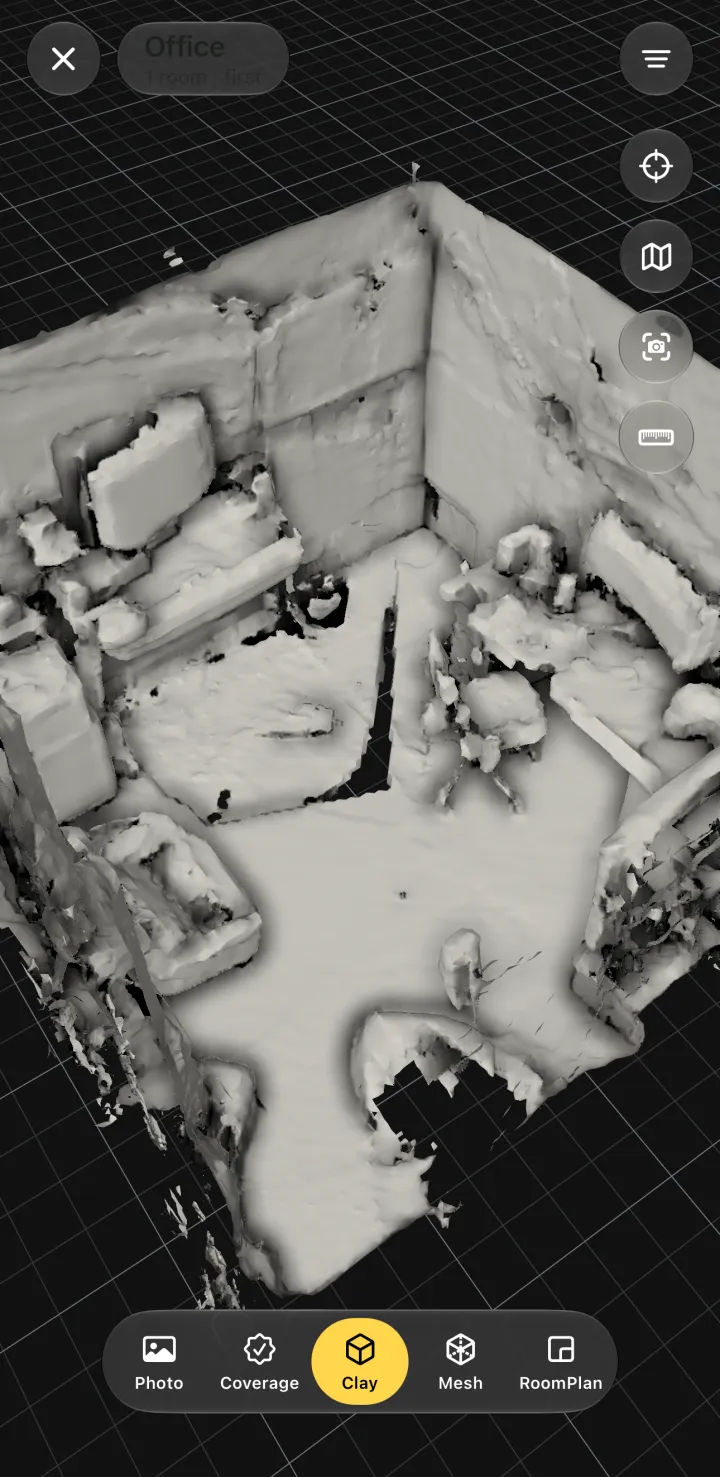
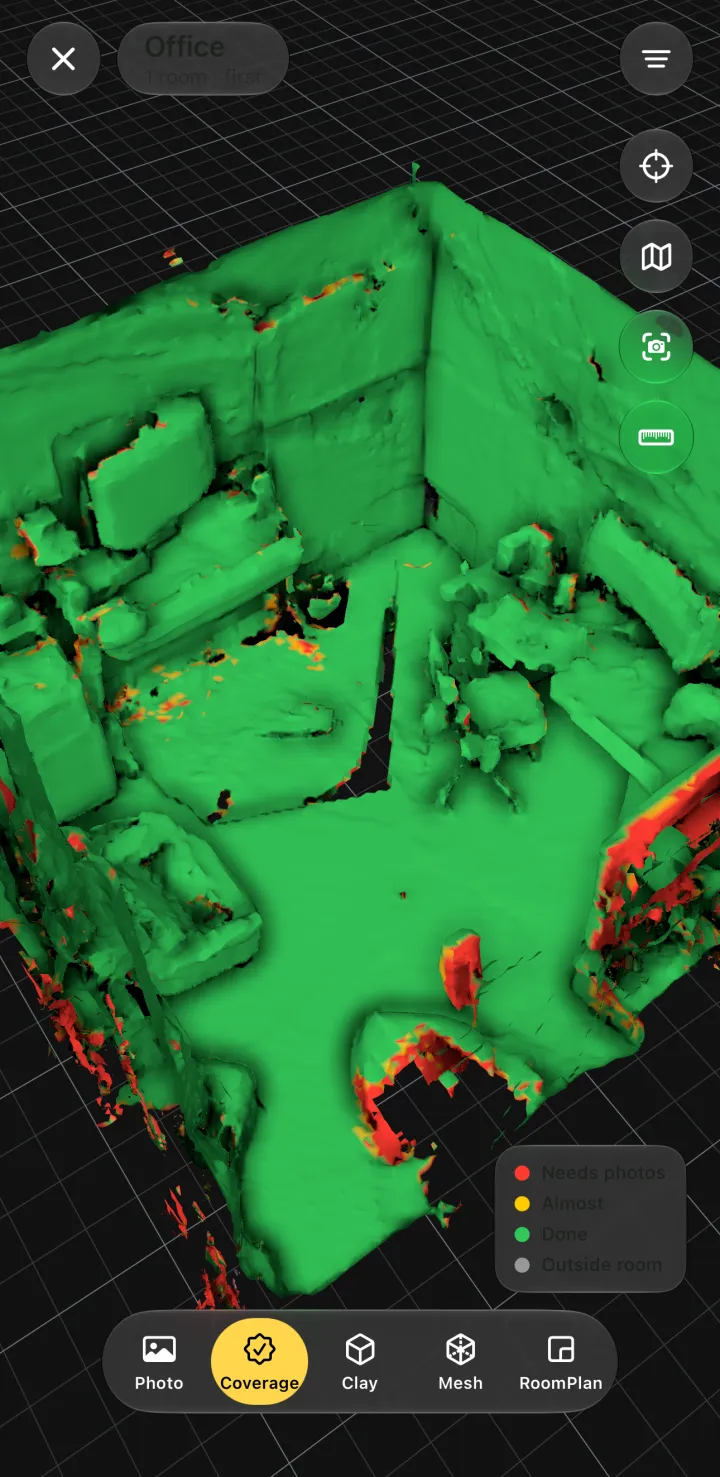
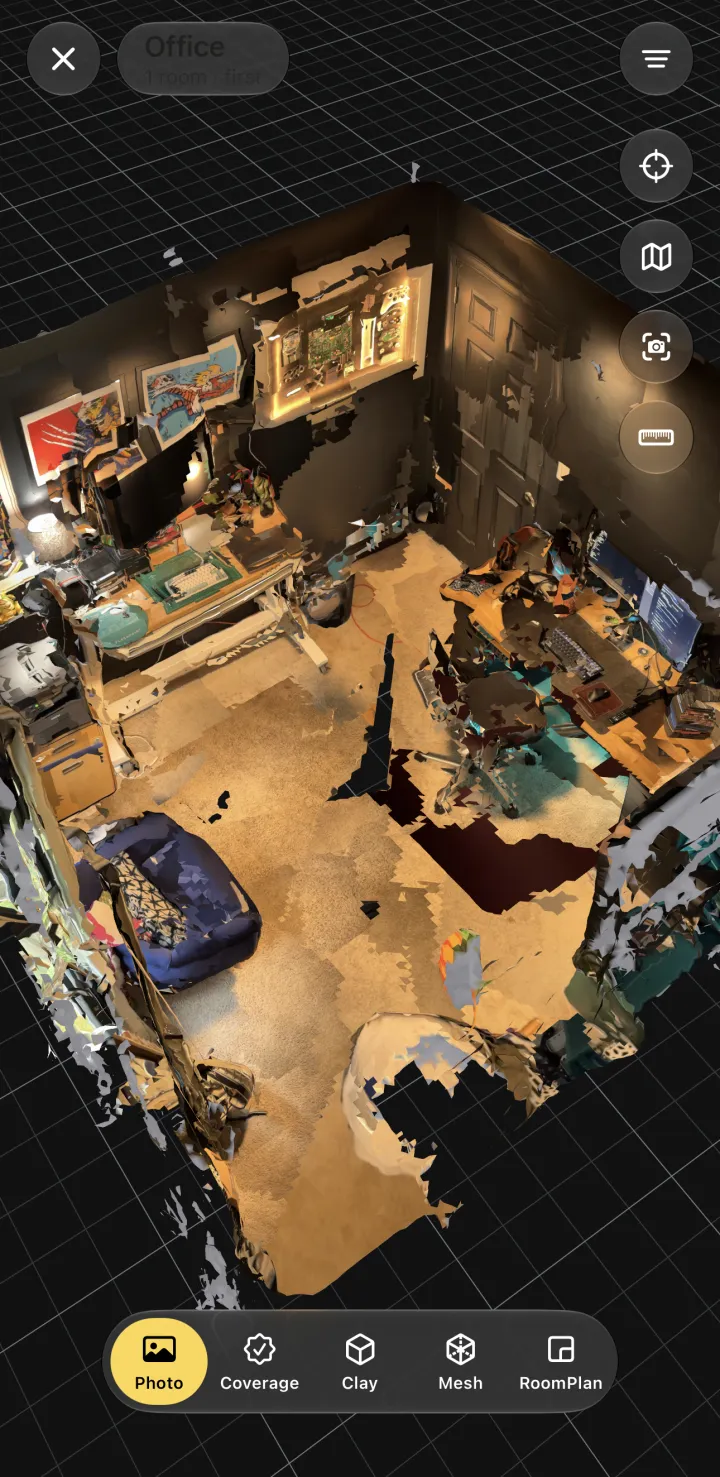
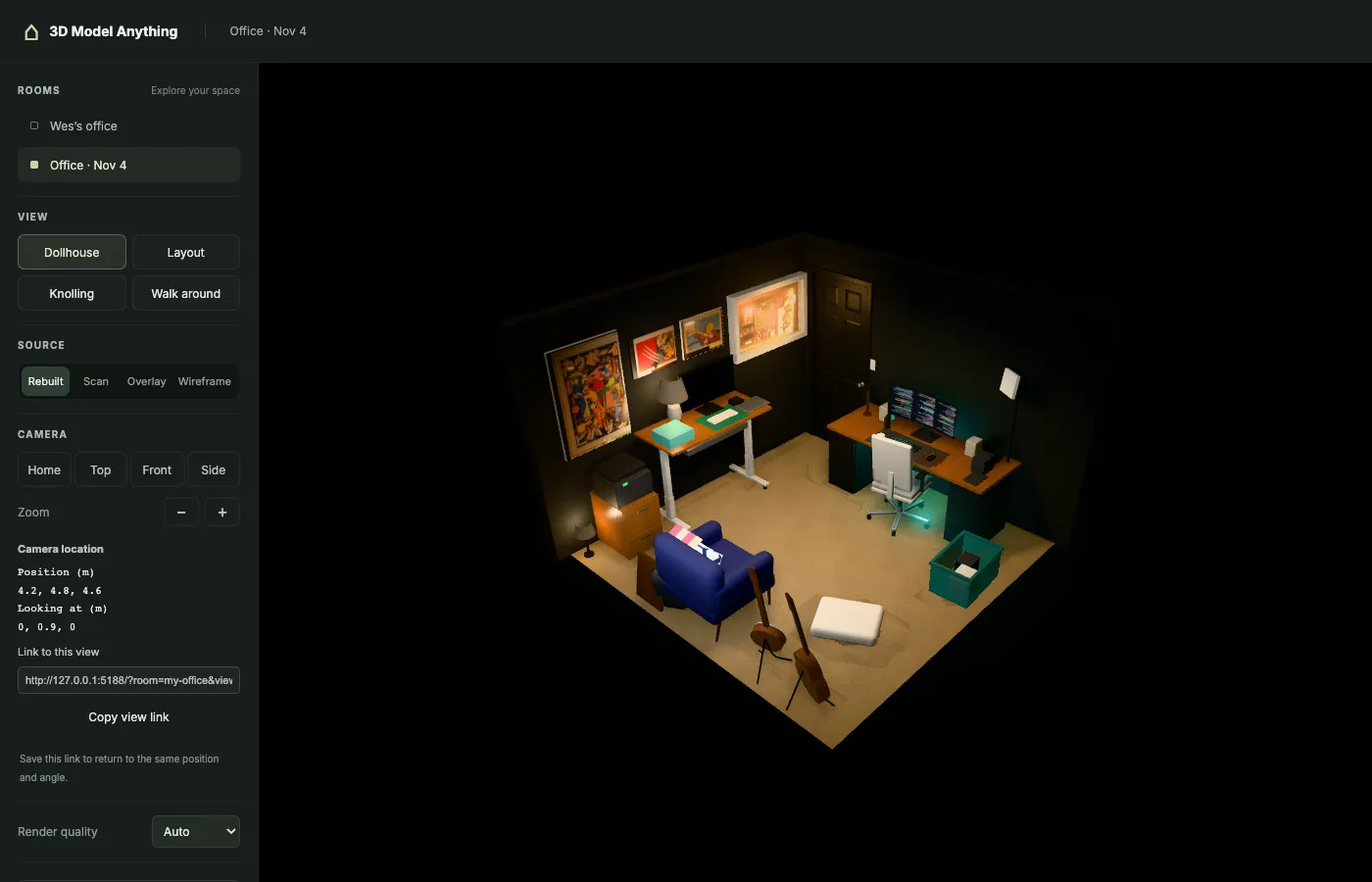
After about 20 minutes of processing, Claude had taken that ZIP from ones and zeros to a 3D interface. I’ll be honest: the effect of going from phone scan to a 3D room was incredible. It worked like magic. As it turns out, that magic was more like the first Harry Potter book than the last. I’d say it got me about 70% there almost immediately in terms of accuracy. It got the gist, but looking closely at most of the objects made it clear that some fine-tuning was in my future.
My shelf was going to be a problem
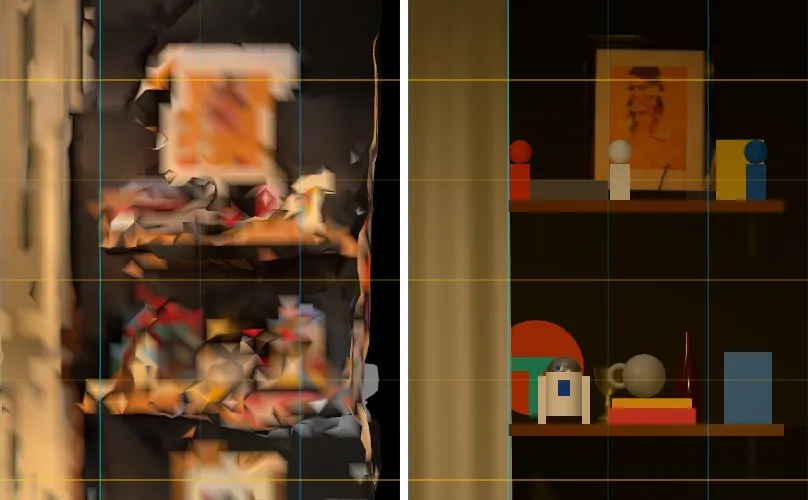
I have a bunch of pop-culture toys and art on my shelves, and the reconstruction had a generous interpretation of what some of those things looked like. At first glance, you could see the resemblance. Spend a little time looking at them, especially when you know the actual objects, and they were very, very off. That was happening throughout the room, but the shelf gave me plenty to work on.
I spent about two hours going back through the model with Claude, getting specific about individual objects and what needed to change. There really wasn’t a section of the room I thought looked good until I’d gone through several loops. You had to stay on the details, which made it time-intensive, and even after all that I’d still call some areas okay. The toys on the shelf never got particularly good. Getting the gist had happened so quickly that I hadn’t expected to spend quite so much time trying to get the smaller things right.
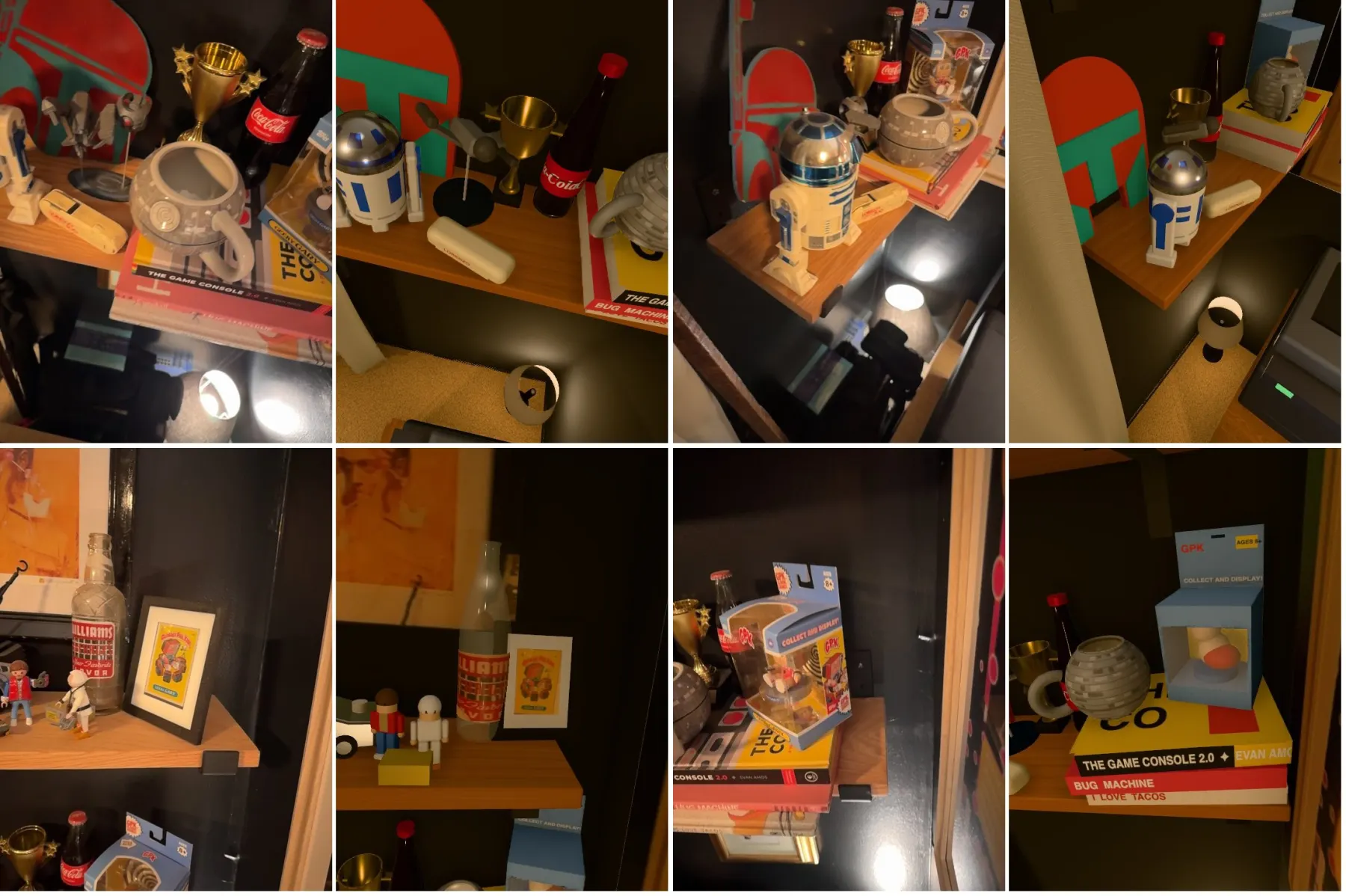
It looked like my office, but it didn’t quite feel like it
The closest comparison I can make is a pen-and-ink drawing versus a photograph. Both can show you what’s happening in a room, and a drawing can be beautiful in its own right. You just understand that you’re looking at someone’s interpretation of the space. That’s how I started to feel about this model. I could recognize my office, but I was very aware that I was looking at a recreation of it.
The details are a big part of what makes a place feel real to me. Objects have odd little shapes and surfaces, and light does interesting things when it hits them. Real life isn’t all perfect geometry. I wanted more of those nuances to come through, including the imperfections, because those are part of what makes the room feel like the room. When something gets close but misses those details, I get that uncanny-valley feeling. For a guest trying to imagine themselves in a resort room, I’d want to understand whether the model helps them get a feel for the actual place or leaves them with an impression that’s a little off.
Come poke around
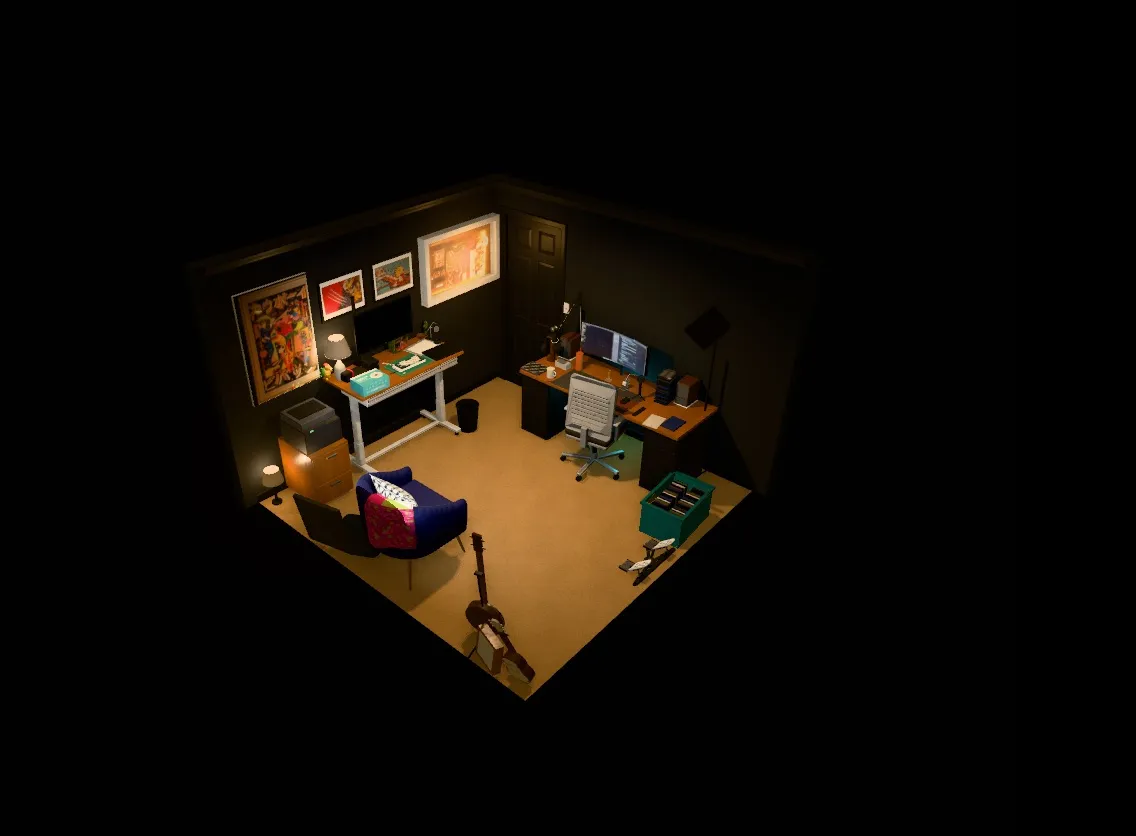
I’ve embedded the office below so you can have a look for yourself. Spend a little time exploring the room, then look more closely at the objects. I know what everything is supposed to look like, so I’m bringing a different perspective than someone seeing it for the first time. I’m curious whether you get the same shift from “that’s pretty amazing” to noticing the details.
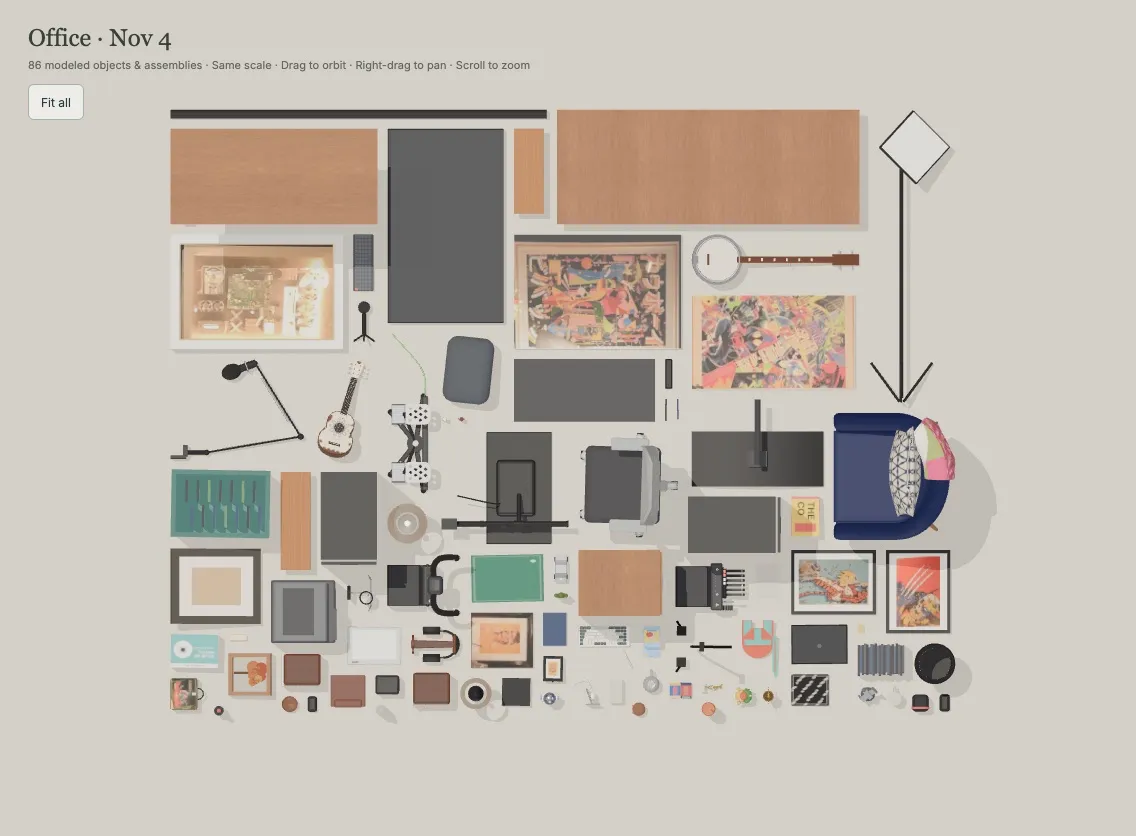
While you’re in there, try the knolling view. It lays out the contents of the room so you can inspect everything separately, and I thought that was really cool. Even with the limitations of the individual objects, seeing the whole office taken apart and arranged that way was fun. I could happily spend more time playing with that part.
Where I’d go with this
I could see using something like this for an industrial space, or as an interface for managing IoT devices. Being able to look around a representation of a room, find a device, and interact with it feels like an interesting direction. In that situation, I’d care about recognizing the equipment and understanding where it is, while the exact appearance of every surface might matter less. I haven’t tested that idea, but it’s one of the possibilities I came away wanting to explore.
For resorts, I’m still working through what the right approach should be. I haven’t tested performance or watched other people try to navigate this version, and there are other methods I want to try before making a recommendation. This was our first experiment, and I enjoyed it enough to keep going. Getting from a phone scan to a room I could explore was incredible. Now I want to see how much closer we can get to the actual space, and how much work it takes to get there.